How to Build a Wedding Day Timeline That Actually Flows
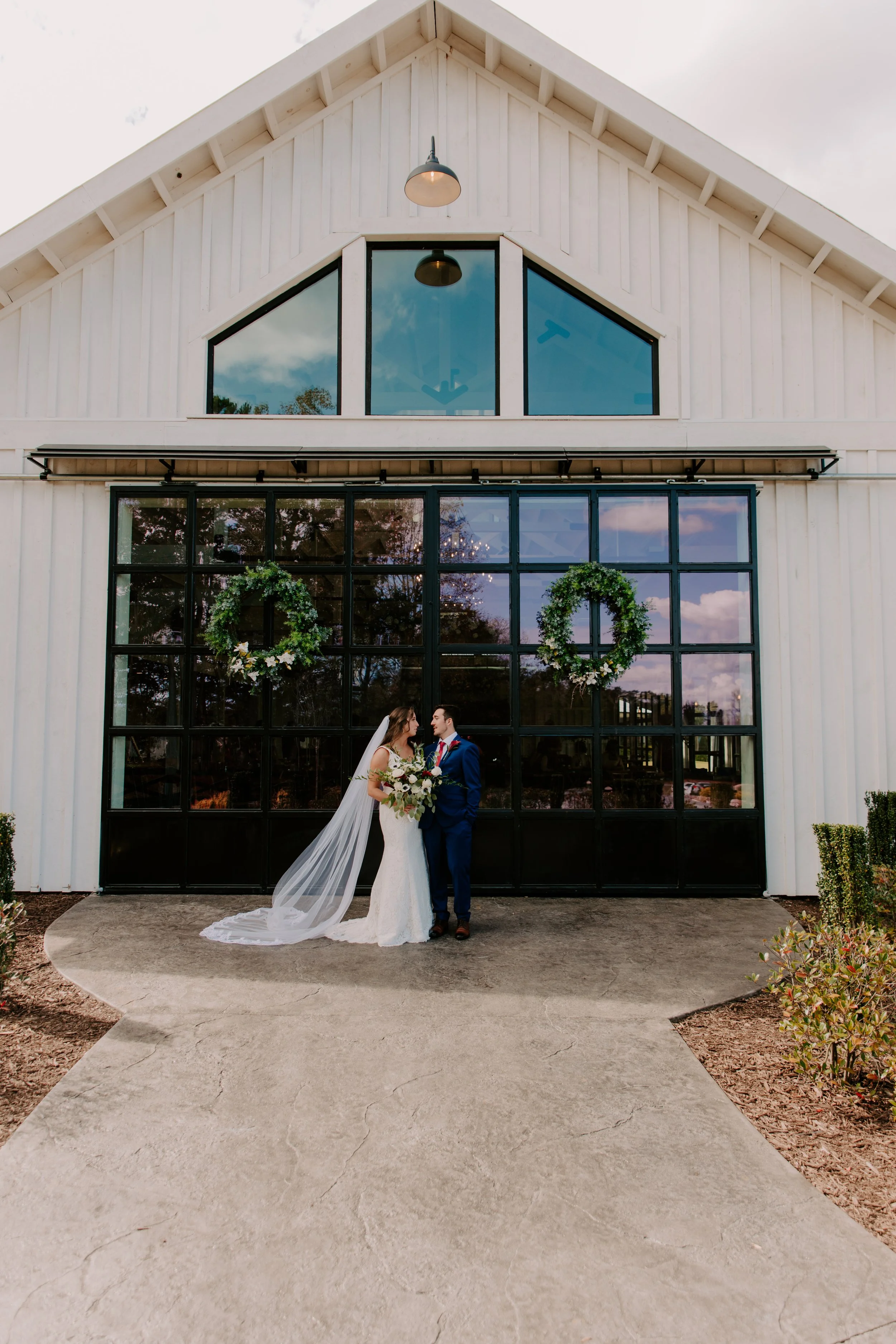
If there’s one thing that can quietly derail an otherwise beautiful wedding day, it’s a timeline that looks good on paper, but doesn’t work in real life. I’ve seen it happen over and over: too many photos after the ceremony, not enough buffer time, and couples spending half their day rushing instead of enjoying it.
A wedding day timeline should support the experience, not dictate it. The goal isn’t to cram as much as possible into one day but to create a natural flow that keeps things moving without feeling chaotic.
In this post, I’m breaking down how to build a wedding day-of timeline that actually works, based on real coordination experience. From first looks to ceremony timing to reception flow, this is how to structure your day so it feels intentional, calm, and genuinely fun.
Choosing Between a First Look and an Aisle Reveal
First looks tend to spark strong opinions, but after years of working with wedding planning companies and coordinating on my own, I genuinely believe they’re one of the best decisions you can make for your day.
First and foremost, a first look is often the only quiet, private moment you’ll get with your future spouse all day. No guests, no timelines, no expectations. Just the two of you, taking in the fact that you’re about to get married. It also creates incredible special candid photos. And yes, there is still plenty of magic when you walk down the aisle. The aisle moment is the real deal, surrounded by the people you love, and it feels completely different from a first look. One does not take away from the other.
From a logistics standpoint, first looks also make your day flow so much better. They allow you to knock out a huge portion of your photos before the ceremony, which means you’re not cramming 90% of your pictures into Cocktail Hour. That post-ceremony photo rush is exhausting, and it’s when bridal parties start fading, smiles get forced, and timelines quietly fall apart. Spreading photos out before and after the ceremony keeps everyone energized and prevents cocktail hour from stretching longer than planned, which is especially important if food and drinks are limited.
Finally, first looks are easier on everyone. Your guests aren’t waiting around. Your vendors aren’t scrambling. Your coordinator isn’t racing the clock. And you aren’t stuck choosing between photos and actually enjoying your wedding. So much of the pre-ceremony portion of the day is a “hurry up and wait” situation anyway. Getting photos started earlier means you can move into your reception sooner and actually enjoy the food, music, and celebration you spent months planning and paying for.
You’ll see exactly how this plays out in the sample timelines below, but trust me when I say: a first look doesn’t take away from the magic. It gives you more time, more calm, and more space to actually feel it.
Including Enough Buffer Time
If there’s one thing couples consistently underestimate when building a wedding day timeline, it’s how long everything actually takes. On paper, the day can look neat and efficient. In real life, it’s dynamic, emotional, and full of moving parts. Buffer time is what keeps that from turning into stress.
Getting ready is a perfect example. If you’ve only ever tried on your dress in a bridal shop with a professional helping you in and out, the wedding morning can be a surprise. When it’s just your mom, maid of honor, or friends helping, getting into a structured dress can easily take longer than expected. The same goes for hair, makeup, and final touch-ups. Nothing is wrong, that’s just real life.
Travel time is another major factor, especially if your day involves multiple locations. Large venues, hotels, churches, and off-site photo locations all add layers of movement. Walking between spaces, loading transportation, waiting on shuttles, and dealing with traffic can quietly eat up time, even when everything goes smoothly. These transitions almost always take longer than couples expect.
Your photo and video team also need buffer time built in. Every time they move locations, they’re carrying equipment, setting up, adjusting lighting, and recalibrating cameras. That process can’t be rushed, and when it is, it shows in the final product. Giving your artists the time they need helps ensure you get the photos and videos you hired them for. Trust your vendors, they’re professionals!
Then there are the things no one plans for. Bathroom breaks, for one. Depending on the complexity of your dress, using the restroom can take fifteen to twenty minutes and often requires help. Buttons pop off. Bustles need redoing. Someone spills something. None of these things mean your day is going wrong, they just mean it’s happening.
Your wedding day is probably the one day in your life where it truly pays to over-budget time. Padding your timeline gives you room to breathe, enjoy the moments as they happen, and stay present instead of constantly watching the clock. A calm, flexible timeline is far more valuable than squeezing in one extra photo or saving a few minutes here and there. If you’re worried about budget, I share ways to save money without sacrificing your experience in this post here.
Buffer time isn’t wasted time. It’s what keeps your day flowing, your vendors happy, and you relaxed enough to actually enjoy it.
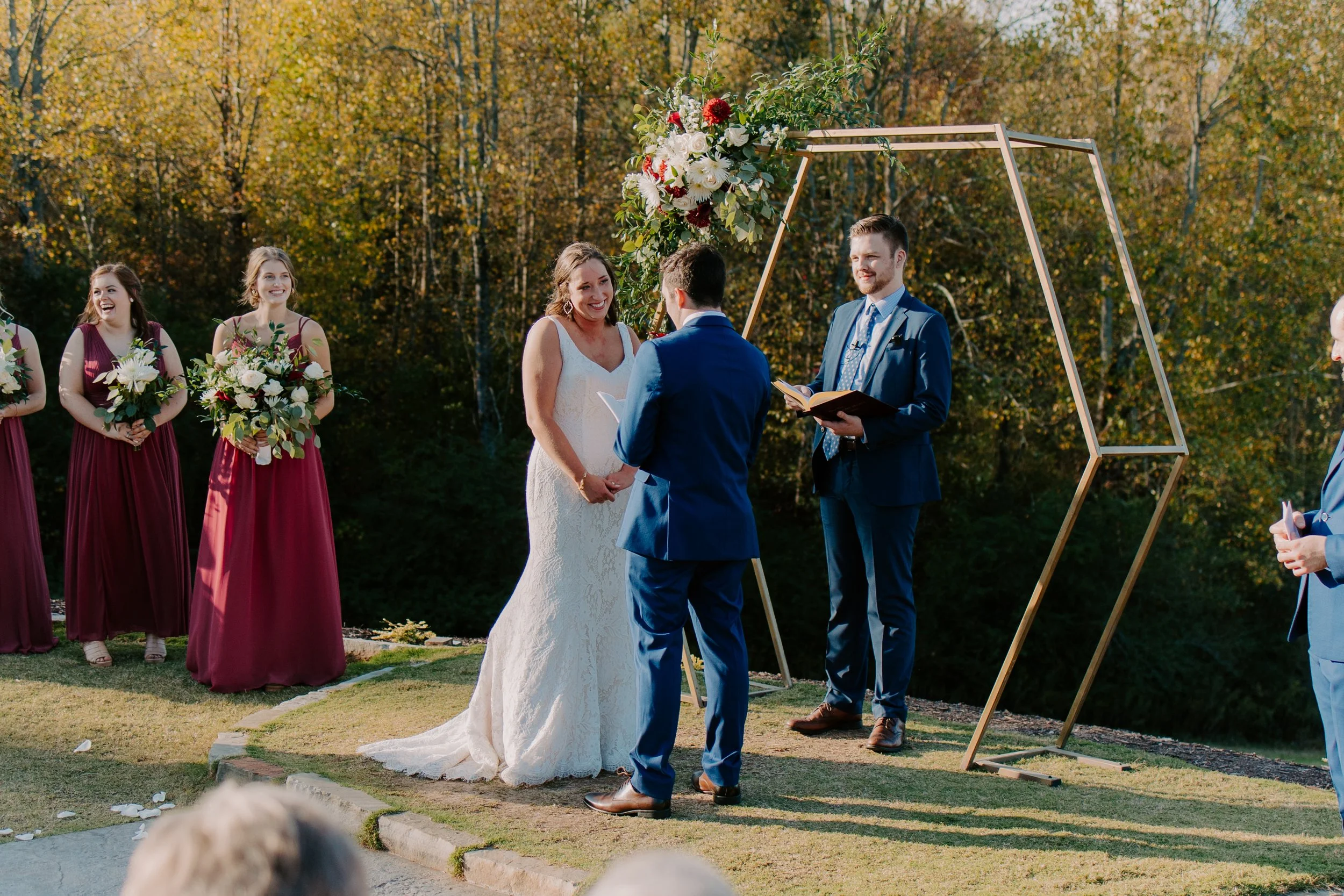
Photographed by Los Garcias
Ceremony & Reception Flow: How to Keep the Day Moving (and Actually Enjoy It)
The way your ceremony and reception are structured has a huge impact on how your entire wedding day feels. A thoughtful flow keeps guests comfortable, vendors on schedule, and you calm enough to actually soak it all in.
Before the Ceremony: Setting the Tone
Plan for everyone to be tucked away at least 30 minutes before the ceremony start time. This is when prelude music begins and guests start arriving and finding their seats. From a planning perspective, this window is incredibly valuable. It gives you a quiet moment to calm your nerves, take a breath, maybe enjoy a final sip of something, and mentally shift into “this is actually happening” mode.
Behind the scenes, this is also prime time for your photographer and videographer. They can capture untouched ceremony details, florals, signage, and wide shots before guests fill the space, as well as candid moments of people arriving. It sets a calm, intentional tone for the rest of the day.
Ceremony Length & Structure
The flow of your ceremony depends heavily on whether it’s secular or religious, and if religious, which tradition you’re following. Some ceremonies last 10–15 minutes, while others can run close to an hour. Neither is wrong, but the length does affect guest energy and the pacing of the rest of the day.
For reference, my husband and I chose a secular ceremony with a friend officiating. We followed a fairly traditional structure: officiant entrance, seating of grandmothers and mothers, groom and best man, wedding party pairs, flower girl and ring bearer, and finally my dad and me. We had an opening, shared personal vows in front of everyone, followed the traditional “do you take…” vows, exchanged rings, kissed, and recessed. All in, it lasted about 15 minutes, and it was perfect for us.
From years of coordinating and building timelines, I’ve found that if you have control over your ceremony length, short and sweet tends to leave the strongest impression. Guests stay engaged, emotions stay high, and no one is distracted by thoughts of when dinner is coming.
Cocktail Hour: Keep It Moving
If you did a first look and knocked out most of your photos earlier in the day, cocktail hour should feel relaxed instead of rushed. Plan to spend about 15 minutes finishing any remaining photos, then either join your guests or take a quick private moment together before the reception begins.
Try to keep cocktail hour to one hour max. If you think you’ll need more time before opening the reception, make sure there’s plenty of food and drink to keep guests comfortable. Long, under-fed cocktail hours are one of the quickest ways to create restlessness.
Reception Flow: Do It Early, Enjoy It Longer
When it comes to the reception, my biggest recommendation is to get all the “formal” moments done early so you can relax and enjoy the night without constantly thinking about what’s next.
A smooth flow looks like grand introductions straight into your first dance, immediately followed by any parent or grandparent dances. Keep dances short and sweet, about 1.5 to 2 minutes each is ideal unless you have choreography planned. Any longer can start to feel awkward with that many eyes on you.
After dances, kick off dinner with a welcome speech or blessing, and make sure you sit down to eat first. Once guests are going through the buffet or being served, this is the perfect time to sneak away for 10 minutes of golden hour photos, just the two of you, weather permitting.
When the room has settled and guests are finishing their meals, cue any planned speeches. This keeps guests entertained while they eat and prevents long pauses later in the night.
Next, cut the cake so the catering team can serve dessert as the dance floor opens. If you’re doing a bouquet toss, it’s a great way to officially kick off dancing. If you’re planning a garter toss, I recommend waiting about an hour into dancing so some of the older crowd has filtered out and the moment feels a little less… awkward.
Wrapping Up the Night
By handling all the key moments early, the rest of the night can be completely uninterrupted. Dance, mingle, and enjoy everything you planned and paid for. If you’re doing a formal exit with bubbles or sparklers, that’s the final event, but it’s totally optional.
From a budget perspective, this structure also allows you to send your photographer and videographer home earlier. You don’t need three to four hours of late-night dance floor coverage. Thirty to forty-five minutes is usually more than enough to capture the energy, and everything important has already happened. This not only saves money but also spares you from potentially questionable photos if alcohol is flowing heavily by the end of the night.
A well-paced ceremony and reception flow keeps your day feeling intentional instead of rushed. When the timeline works with you instead of against you, you’re free to be present, relaxed, and fully in the moment, which is exactly how your wedding day should feel.
Sample Timelines
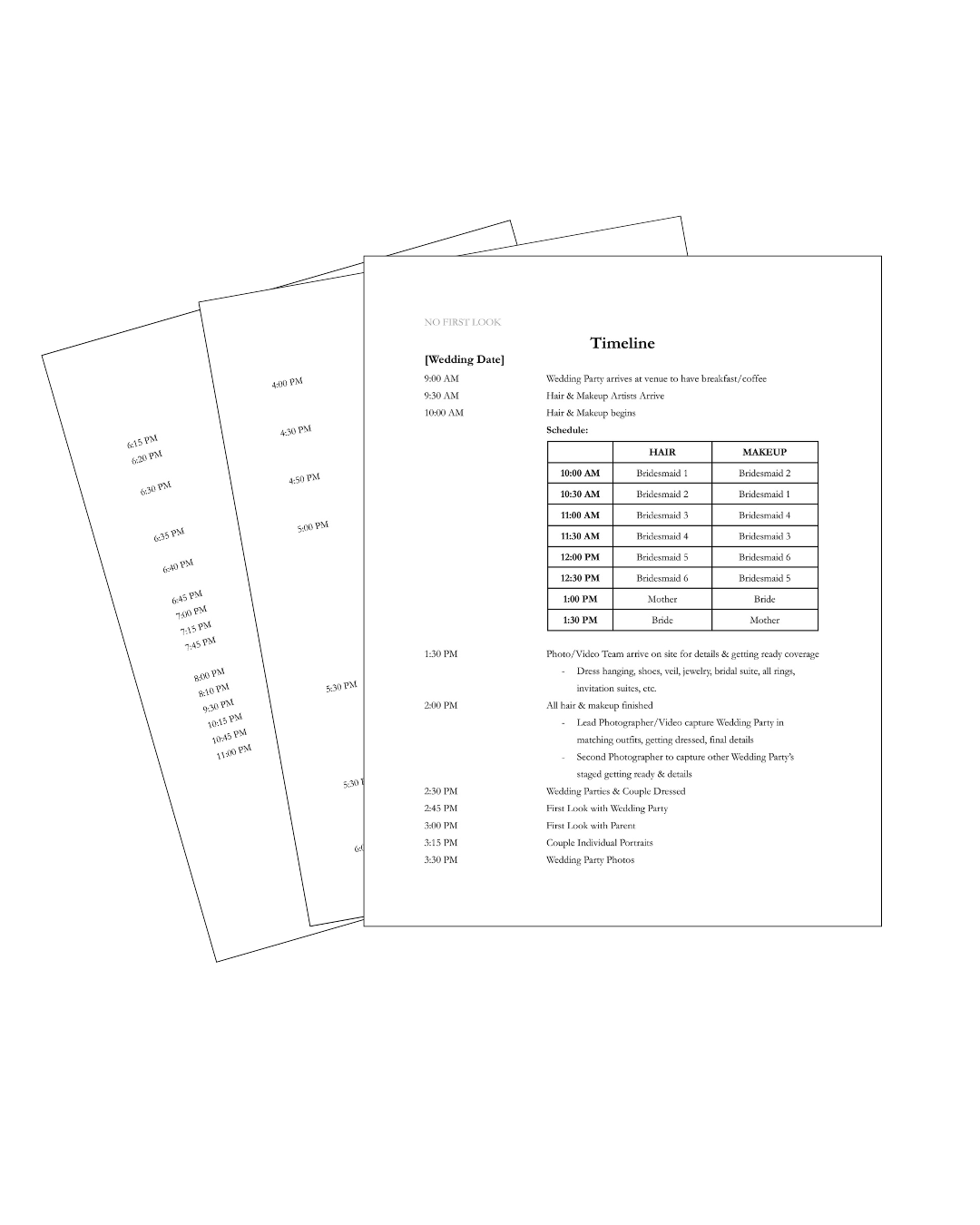
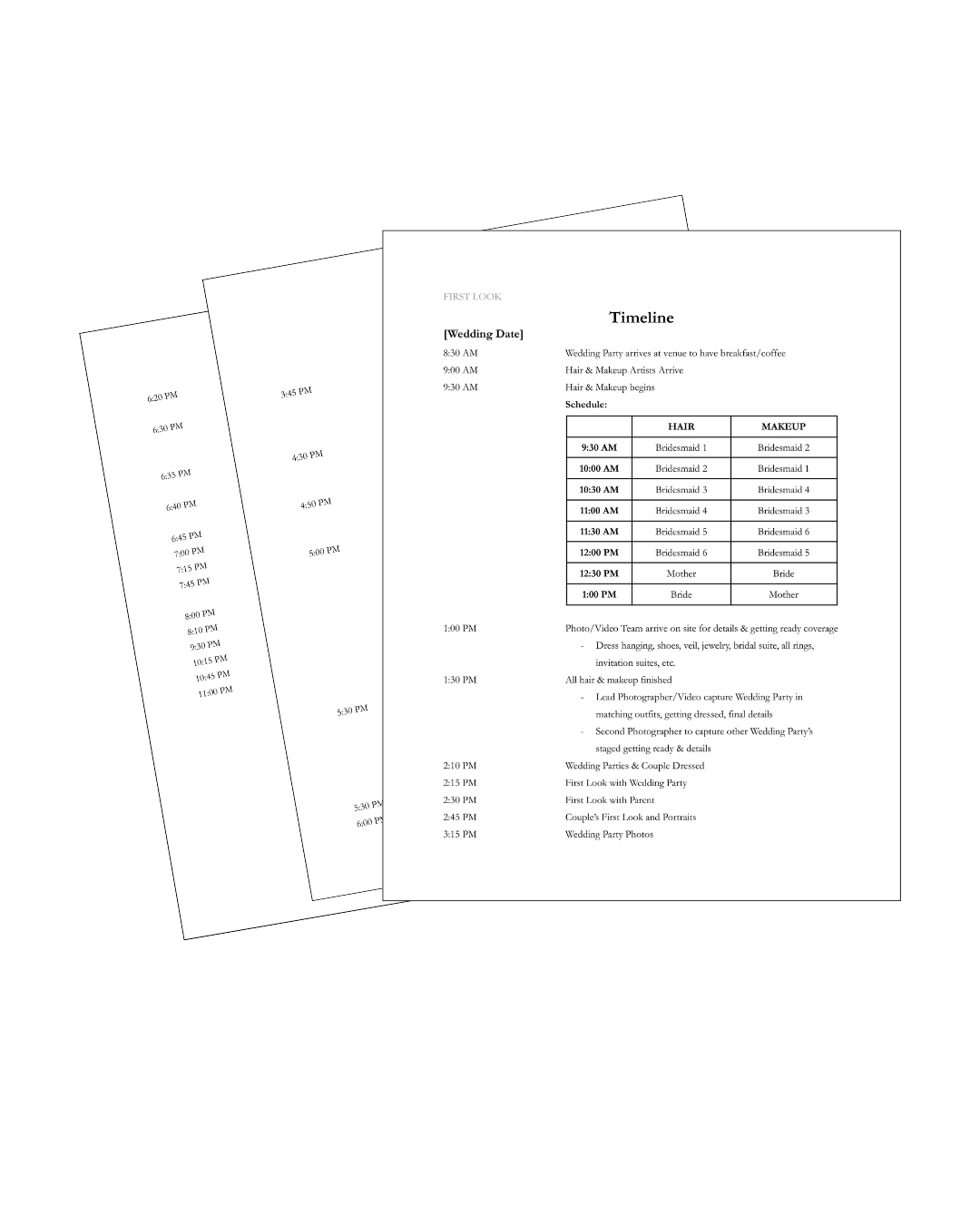
Below are two sample day-of timelines: one with a first look and one without. Both are built around a 10-hour photography day, assume two photographers, and are designed for weddings where getting ready, the ceremony, and the reception all take place at the same venue.
These timelines show how the entire day can flow, from getting-ready coverage through the exit plan, while keeping things realistic and stress-free. That said, they’re meant to be examples, not rules. You may not need or want this much coverage depending on your priorities, budget, or how your day is structured.
Click on each image to view the full timeline and see how everything fits together.
At the end of the day, a great wedding timeline isn’t about perfection, it’s about intention. It’s about giving yourselves enough space to breathe, enough structure to stay on track, and enough flexibility to let the day unfold naturally.
The most memorable weddings I’ve worked on weren’t the ones that packed in every possible moment. They were the ones where couples weren’t constantly watching the clock, guests weren’t wondering what was happening next, and the day moved forward in a way that felt calm, joyful, and effortless. A well-built timeline is what makes that possible.
Use this post and the sample timelines as a framework, not a rulebook. Every wedding is different, and your timeline should reflect your priorities, your personalities, and how you want the day to feel. When in doubt, build in buffer time, keep things simple, and remember that the best moments are often the unplanned ones.
Your wedding day only happens once so make sure your timeline gives you the freedom to actually live it.